




Your Plumbing Wasn’t Designed for How We Use Water Today
Let’s start with something most homeowners don’t think about:
Your plumbing system was designed for a completely different lifestyle.
Think about it—when many homes in Central Indiana were built, families weren’t running multiple showers, dishwashers, washing machines, and outdoor hoses all at the same time. Water usage was simpler, slower, and far less demanding.
Fast forward to today, and your plumbing is expected to handle:
- Back-to-back showers
- Laundry cycles running daily
- Dishwashers and garbage disposals
- Outdoor water use in the summer
- Increased demand from modern appliances
And if your system hasn’t been updated? It might be quietly struggling to keep up.
The Signs Your Plumbing System Is Falling Behind
Most plumbing systems don’t fail overnight. They show signs—subtle ones at first—that they’re under more stress than they were built for.
You might notice things like inconsistent water pressure, slower draining water, or hot water that doesn’t last as long as it used to. These aren’t random issues—they’re often indicators that your system is being pushed beyond its original capacity.
Other signs can include higher water bills, increased frequency of clogs, or fixtures that seem to wear out faster than expected. In many cases, homeowners assume these are isolated problems, when they’re actually connected to the overall performance of the plumbing system.
This is where a professional plumbing inspection in Indiana can help identify whether your system is keeping up—or starting to fall behind.
Older Plumbing Systems vs Modern Water Demand
If your home was built before the 1990s, there’s a good chance your plumbing system wasn’t designed for today’s usage levels.
Older systems often include:
- Smaller diameter pipes that restrict flow
- Aging materials like galvanized steel or cast iron
- Outdated fixtures and valves
- Limited drainage capacity
When modern demand is placed on these systems, the result is increased pressure, faster wear, and a higher likelihood of issues like leaks or sewer backups.
Many homeowners we work with in Franklin, Mooresville, and surrounding areas don’t realize their plumbing system is outdated until problems start happening more frequently.
Your Water Heater Feels It First
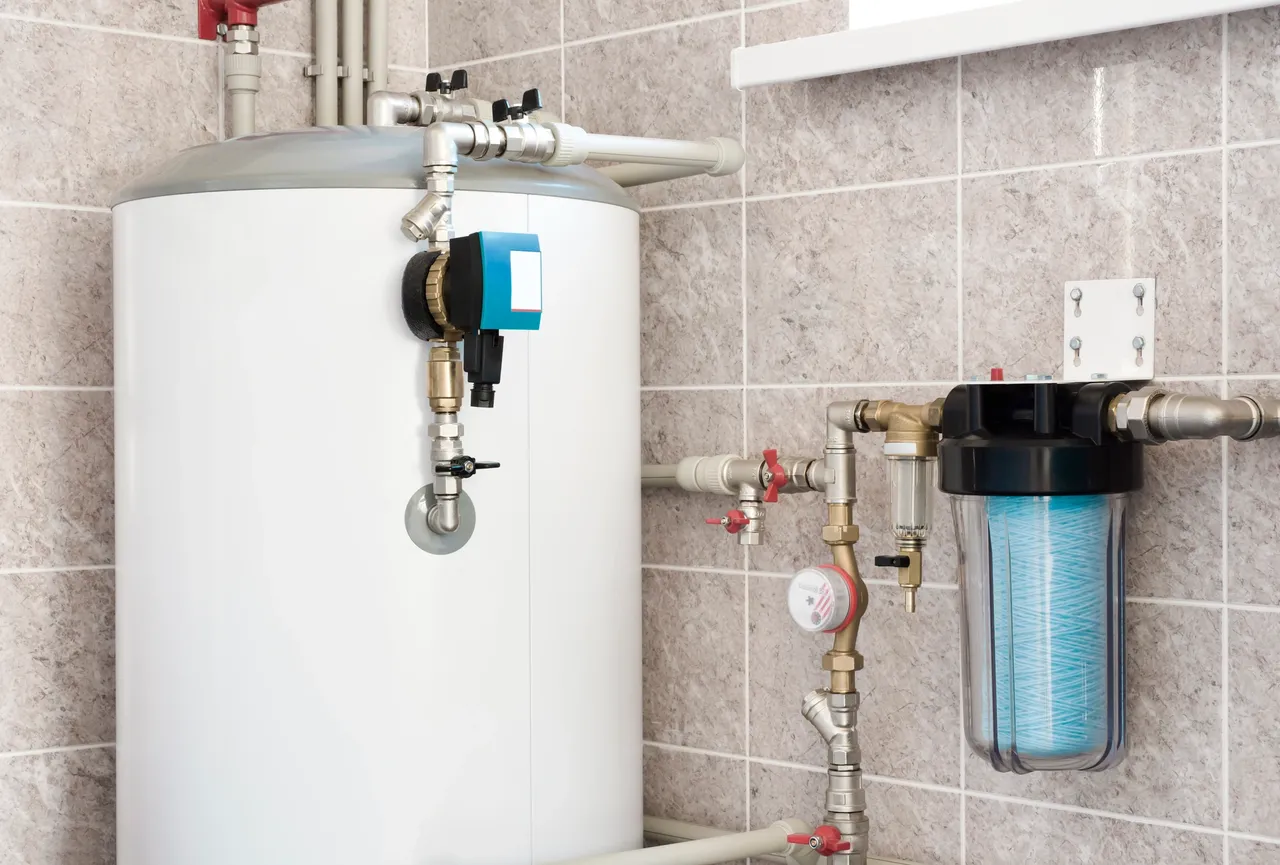
One of the first systems to show strain is your water heater.
Modern households use significantly more hot water than older systems were designed for. Add in hard water—common across Central Indiana—and you’ve got sediment buildup reducing efficiency even further.
That’s when you start hearing things like:
“We run out of hot water way faster than we used to.”
This is often a sign that your system either needs maintenance or isn’t properly sized for your current usage. A water heater inspection or upgrade can make a noticeable difference in performance and efficiency.
Water Quality Plays a Bigger Role Than You ThinkAnother factor that affects your plumbing system is your water itself.
Hard water, which is common in Indiana, leaves behind mineral deposits inside pipes and appliances. Over time, this buildup restricts flow and reduces efficiency across your entire system.
If your plumbing already feels like it’s struggling, hard water can make things worse.
This is why many homeowners consider water softener installation or whole-home water filtration systems—not just for comfort, but to protect their plumbing investment.
The Risk of Doing Nothing
Here’s where things become important.
When a plumbing system is pushed beyond its limits, small issues start happening more often. Those small issues—like minor leaks, slow drains, or pressure inconsistencies—don’t stay small forever.
Over time, they can lead to:
- Pipe failures or leaks
- Sewer line backups
- Water heater breakdowns
- Increased repair costs
The goal isn’t to overhaul everything at once—it’s to understand what your system needs before it becomes a problem.
What an Upgrade Actually Looks Like
Upgrading your plumbing system doesn’t always mean tearing your home apart. In many cases, improvements can be made strategically.
This might include upgrading key sections of piping, improving drainage performance, installing a more efficient water heater, or adding water treatment solutions that reduce long-term wear.
At Peak Plumbing, we help homeowners prioritize what matters most—so you’re not guessing, and you’re not overspending.
Frequently Asked Questions
How do I know if my plumbing system is outdated?
If your home is older and you’re experiencing frequent issues like low pressure, clogs, or inconsistent hot water, it’s worth having a professional inspection.
Is it expensive to upgrade a plumbing system?
Not always. Many upgrades can be done in phases, focusing on the areas that need attention first.
Does hard water really affect my plumbing that much?
Over time, yes. Mineral buildup reduces efficiency and can shorten the lifespan of pipes and appliances.
Can newer appliances cause plumbing problems?
Yes. Modern appliances often increase water demand, which can strain older systems.
Areas Peak Plumbing Proudly Serves
Peak Plumbing provide plumbing inspections, upgrades, and repairs throughout Central Indiana, including:
Franklin
Mooresville
Greenwood
Plainfield
Avon
Martinsville
Broad Ripple
If you’re searching for “plumbing inspection near me”, “water heater upgrade Indiana,” or “water softener installation Franklin IN,” Peak Plumbing is your trusted local expert.
Not Sure Where Your Plumbing Stands? That’s Where We Come In
You don’t have to figure this out on your own.
If something feels off—or even if you just want peace of mind—Peak Plumbing can take a look and give you clear, honest answers about your system.
📱 Call or Text: 317.793.0564
📧 Email: eric.burgett2@yahoo.com
📝 Schedule a Plumbing Inspection Today
Peak Plumbing – Built for Today’s Homes, Ready for Tomorrow’s Demand.
Leave a Reply