




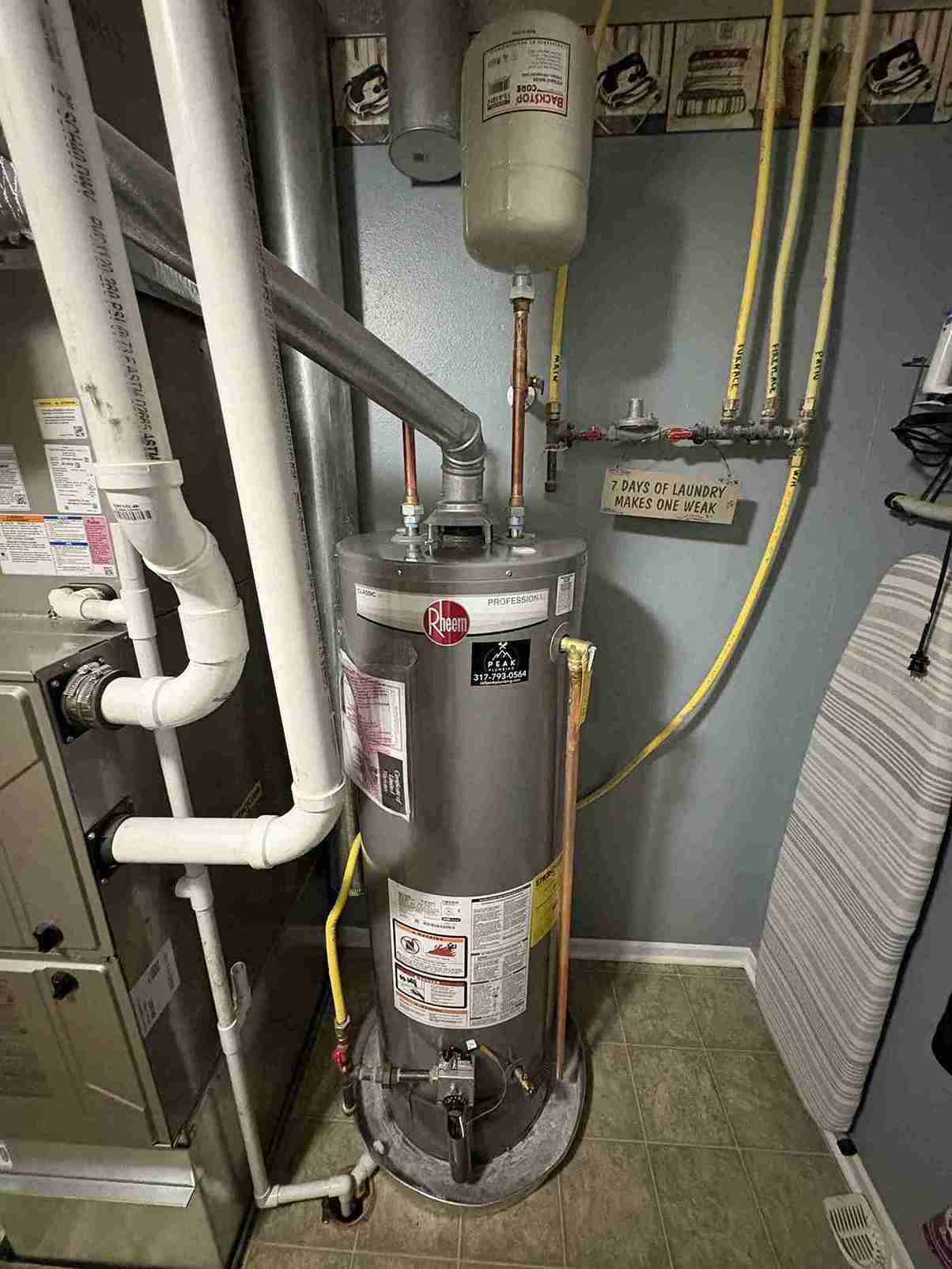
Introduction: Fall Is the Season to Prepare Your Water Heater
As the weather cools, Indiana households rely more heavily on their water heaters for warm showers, laundry, and daily comfort. But if your system hasn’t been flushed in over a year, hidden problems could be building up inside the tank. Sediment buildup is one of the most common causes of water heater inefficiency and failure.
A seasonal water heater flush helps remove sediment, restore efficiency, and prevent untimely breakdowns. Scheduling this service before fall ensures your system is ready for the cold months ahead.
What Is Sediment Buildup—and Why Does It Matter?
Most Indiana homes use hard water, which is filled with minerals like calcium and magnesium. Over time, these minerals settle at the bottom of your water heater tank, creating sediment buildup.
This buildup causes problems such as:
- Reduced efficiency: The heating element has to work harder, wasting energy and raising utility bills.
- Hot water shortages: Sediment takes up space in the tank, leaving less room for hot water storage.
- Strange noises: Rumbling or popping sounds often mean sediment is heating and hardening inside your tank.
- Premature damage: Sediment can cause corrosion, leading to leaks and costly replacements.
Left unchecked, sediment can shorten your water heater’s lifespan by several years..
How a Seasonal Flush Protects Your Water Heater
Flushing your water heater is a proactive step to protect your home and your wallet. Benefits include:

- Improved Efficiency: Removing sediment allows the burner or element to heat water quickly and evenly.
- Lower Energy Bills: A clean tank uses less energy, saving money each month.
- Extended Lifespan: Regular maintenance prevents corrosion and keeps your heater running longer.
- Reliable Hot Water Supply: With no sediment stealing space, your tank provides maximum capacity.
By scheduling a flush in early fall, you’ll avoid mid-winter breakdowns, when demand is highest and plumbers are busiest.
Signs Your Water Heater Needs a Flush
Wondering if it’s time? Here are common signs:
- Water doesn’t stay hot as long as it used to
- Rumbling or popping noises from the tank
- Discolored or rusty water
- Rising energy bills without increased usage
- It’s been more than a year since your last flush
If any of these sound familiar, your water heater is overdue for maintenance.
Acting early saves stress and money.
FAQs About Water Heater Flushes
Q: How often should I flush my water heater?
Most experts recommend it once a year. Homes with hard water may need it every 6 months.
Q: Can I flush my water heater myself?
While it’s possible, professional flushing ensures the tank is cleaned properly and safely without damaging the heater.
Q: Does flushing work for both tank and tankless systems?
Yes. Both systems benefit from flushing, though the process for tankless water heaters involves descaling to remove mineral buildup.
Q: Will flushing really extend the life of my water heater?
Absolutely. A properly maintained system can last several years longer than one that’s neglected.
Q: How long does a professional flush take?
Typically about 45–60 minutes. It’s a quick service with big long-term benefits.
Why Choose Peak Plumbing for Water Heater Maintenance
At Peak Plumbing, we make seasonal maintenance easy and affordable. When you call us for a water heater flush, you’ll get:
- Expert service from licensed, insured professionals.
- Thorough inspections to check for leaks, rust, or other hidden issues.
- Options for repair or replacement if your system shows signs of aging.
- Trusted service across Central Indiana, including Mooresville, Franklin, Plainfield, Greenwood, Avon, Broad Ripple, and Martinsville.
📅 Keep your showers warm and stress-free this fall—schedule your water heater flush today 👉 www.callpeakplumbing.com or call/text 317.793.0564.r sump pump inspection or battery backup installation today 👉 www.callpeakplumbing.com or call/text 317.793.0564
Leave a Reply